

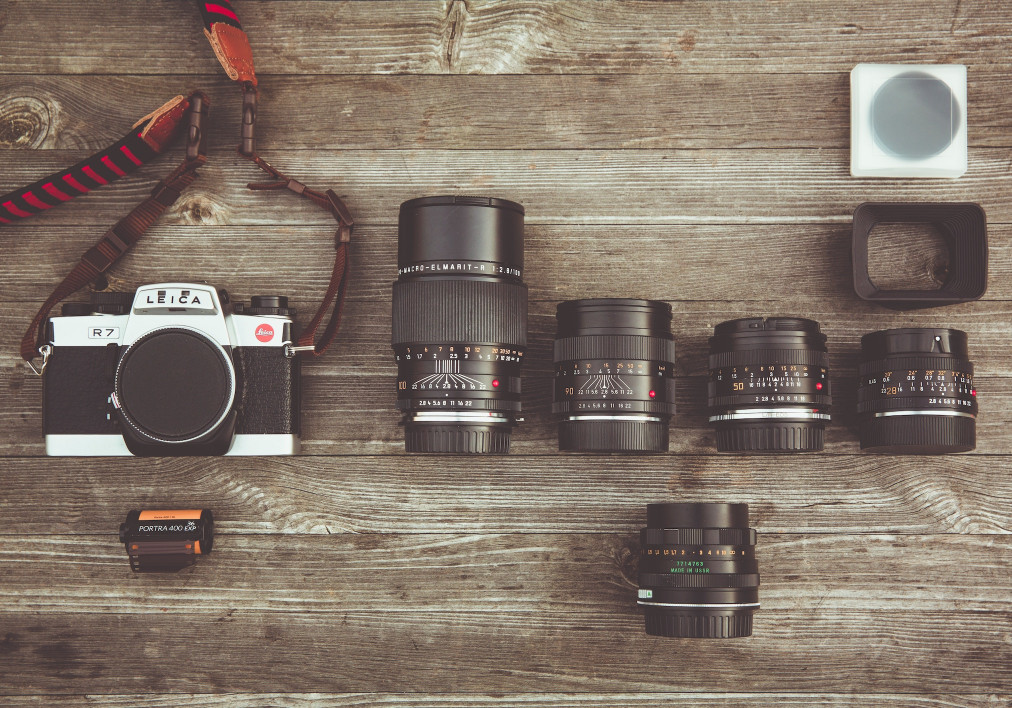
A quality camera is the cornerstone of any filmmaking project. Whether you’re working with a DSLR, mirrorless, or cinema camera, choose a model that fits your needs and budget. DSLRs and mirrorless cameras are versatile for various types of shoots, offering interchangeable lenses and good video capabilities. Cinema cameras, while pricier, provide higher-quality footage and advanced features tailored for professional filmmakers.
When selecting a camera, consider its video resolution (1080p or 4K), frame rate options, and low-light performance. Familiarize yourself with different camera brands and models, and try them out in-store to find the one that feels comfortable in your hands.
Lenses: Capturing the Right Perspective
Lenses significantly influence the look and feel of your film. Depending on your project, you’ll likely need a variety of lenses to cover different shooting scenarios. A standard zoom lens (like a 24-70mm) is versatile for most situations, while a prime lens (like a 50mm or 85mm) is excellent for low-light conditions and achieving a shallow depth of field.
Wide-angle lenses are ideal for landscapes or tight spaces, while telephoto lenses are great for capturing distant subjects or creating beautiful bokeh. Investing in quality lenses will enhance your film’s visual storytelling, so consider building a collection that meets your specific needs.
Tripods: Stability for Smooth Shots
A sturdy tripod is essential for stable and professional-looking shots. When filming interviews, landscapes, or action sequences, a tripod allows for smooth camera movements and eliminates shaky footage. Look for a tripod with adjustable height, a fluid head for panning, and a durable build that can support your camera’s weight.
Consider your shooting environment when selecting a tripod. Lightweight options are great for travel, while heavier models provide added stability for outdoor shoots. A tripod with quick-release plates can make transitions between shots seamless and efficient.
Audio Equipment: Clear Sound Matters
Audio quality is just as important as video quality in filmmaking. Invest in a reliable microphone to ensure clear sound, whether recording dialogue, ambient noise, or sound effects. Shotgun microphones are excellent for capturing directional sound, while lavalier microphones are perfect for interviews or on-screen talent.
Additionally, consider using a portable audio recorder to capture high-quality audio separately from your camera. This can significantly improve sound fidelity and give you more flexibility in post-production. Don’t forget to invest in good headphones for monitoring audio during recording.
Lighting: Setting the Mood
Proper lighting is crucial for achieving the right atmosphere in your film. Natural light can be beautiful, but having portable lighting equipment allows you to control the mood and enhance your shots, regardless of the location. Start with a basic LED light kit, which is versatile and easy to set up.
Consider also using softboxes or diffusion panels to soften harsh shadows and create a more flattering look for your subjects. Reflectors can help bounce light back onto your subjects, filling in shadows and adding dimension. Experiment with different lighting setups to discover what works best for your style.
Gimbals and Stabilizers: Smooth Motion
To achieve smooth camera movements while filming, consider investing in a gimbal or stabilizer. These tools help eliminate unwanted camera shake and create professional-looking footage, especially during dynamic shots. Gimbals are particularly useful for walking or moving shots, allowing you to maintain stability even in challenging environments.
When selecting a stabilizer, ensure it’s compatible with your camera’s weight and size. A good gimbal will allow for smooth pans, tilts, and rolls, giving your film a polished and cinematic feel.
Editing Software: Post-Production Power
Editing is where your film truly comes to life, and having the right software is essential. Popular editing programs like Adobe Premiere Pro, Final Cut Pro, and DaVinci Resolve offer powerful tools for cutting, color grading, and adding effects to your footage. Choose software that matches your workflow and budget, as some options are subscription-based while others require a one-time purchase.
Invest time in learning your chosen editing software through tutorials and practice. The more familiar you become with the tools available, the more creative and efficient your editing process will be.
External Storage: Keeping Your Footage Safe
Filmmaking generates a lot of data, so having reliable external storage is vital for backing up and organizing your footage. Look for external hard drives with fast read and write speeds to ensure smooth editing and quick access to your files. SSDs (solid-state drives) are faster but typically more expensive than traditional HDDs (hard disk drives).
Consider investing in a RAID (Redundant Array of Independent Disks) setup for added redundancy and data security. This way, even if one drive fails, your footage remains safe on another. Regularly back up your projects to multiple locations to prevent data loss.
Filters: Enhancing Visuals
Filters can dramatically enhance your footage and give your films a professional touch. ND (neutral density) filters reduce the amount of light entering the lens, allowing for wider apertures and slower shutter speeds, which is especially useful in bright outdoor conditions. Polarizing filters can help reduce glare and enhance colors, making skies bluer and foliage more vibrant.
Investing in quality filters can help you achieve the desired look for your film without the need for extensive post-production color correction. Experiment with different filters to see how they impact your shots and enhance your storytelling.
Cables and Adapters: Connecting It All
Having the right cables and adapters ensures that all your equipment connects seamlessly. HDMI cables, XLR cables for microphones, and power adapters for lights are essential components of any filmmaking kit. Consider investing in high-quality cables to ensure durability and reliability during shoots.
Keep a selection of adapters on hand to accommodate various devices and connections. Being prepared with the right accessories can save you from frustrating technical issues on set and allow you to focus on your creative vision.
Camera Bag: Protecting Your Gear
A good camera bag is crucial for transporting and protecting your filmmaking gear. Look for a bag that offers padded compartments to safeguard your camera, lenses, and accessories. Ensure the bag has enough space for all your equipment while remaining lightweight and comfortable to carry.
Consider features like waterproofing, adjustable dividers, and external pockets for quick access to essential items. A well-organized bag will make it easier to find what you need when you’re on location, ensuring a smoother shooting experience.
Behind-the-Scenes Equipment: Supporting Your Production
Beyond the essentials, there are several additional tools that can enhance your filmmaking process. C-stands and light stands are useful for securing lights and reflectors in place, while grip equipment like sandbags can provide stability for your setups. Consider investing in a basic toolkit with pliers, screwdrivers, and other essentials for on-set repairs and adjustments.
Additionally, a monitor can help you frame your shots more effectively, especially when shooting with a camera mounted on a gimbal or in hard-to-reach positions. Having these behind-the-scenes tools can streamline your workflow and improve your overall production quality.
Conclusion
Building your filmmaking gear kit can be an exciting but overwhelming process. Start with the essentials—camera, lenses, audio equipment, lighting, and editing software—and gradually expand your collection as your skills and needs evolve. Investing in quality gear will enhance your storytelling and help you create compelling films. As you continue your filmmaking journey, remember that creativity and storytelling are the most important aspects of your craft, and the right tools will help you bring your vision to life.


